How to Get Around Peru: The Complete 2026 Guide

Honest guide to getting around Peru — Lima, Cusco, Machu Picchu, Arequipa, and more. Buses, trains, and flights are compared in 24 first-hand route guides.
Peru is a country of distances. The standard trip, Lima, Cusco, Machu Picchu, sometimes Arequipa or Lake Titicaca, covers a country longer than France and Spain combined.
The transport infrastructure has caught up well: long-distance buses are excellent, domestic flights are cheap and frequent, and the train system around Machu Picchu is one of the few remaining iconic rail journeys in South America.
The trick is knowing when to fly and when to take a bus, because both are legitimate options for the same routes, at very different costs and very different speeds.
This pillar pulls together all the Peru routes we’ve covered. The short version: fly Lima to Cusco, take the train to Machu Picchu (no alternative), use Cruz del Sur or Civa for long-distance buses, and don’t try to drive yourself unless you genuinely know what you’re doing on Andean roads.
Quick answers: what we actually use
| Question | Short answer |
|---|---|
| Fly or bus Lima to Cusco? | Fly. The bus is 22 hours through the Andes. The flight is 80 minutes. Book LATAM, Sky, or Viva. |
| How do I get to Machu Picchu? | PeruRail or IncaRail train from Ollantaytambo to Aguas Calientes, then bus or hike up to the ruins. There is no road to Aguas Calientes. |
| Best long-distance bus operator? | Cruz del Sur for comfort, Civa or Oltursa for value. The “cama” (180-degree reclining) seats on overnight routes are genuinely sleepable. |
| Should I rent a car? | No. Andean roads, altitude, and the language barrier with rural police make this harder than it needs to be. Use buses, flights, and pre-booked transfers. |
| Altitude warning | Cusco sits at 3,400m. If you fly in from sea level, plan a slow first day. The bus from Arequipa or Puno arrives gradually and is easier on the body. |
Every Peru route we’ve written about
The Machu Picchu circuit
- How to get to Machu Picchu (overview)
- Cusco to Machu Picchu (2 best ways)
- Machu Picchu to Cusco (6 best ways)
- Cusco to Ollantaytambo (4 best ways)
- Train from Machu Picchu to Ollantaytambo
From Lima
- Lima to Paracas (4 best ways)
- Lima to Máncora (4 best ways)
- Ica to Lima (3 best ways)
- Cusco to Lima (5 best ways)
- Huaraz to Lima (3 best ways)
- Chiclayo to Lima (4 best ways)
From Cusco
- Cusco to Puno (4 best ways)
- Cusco to Puerto Maldonado (4 best ways)
- Cusco to Arequipa (4 best ways)
- Cusco to Ica (3 best ways)
- Puno to Cusco (3 best ways)
From Arequipa & the South
- Arequipa to Cusco (4 best ways)
- Arequipa to Puno (4 best ways)
- Arequipa to Ica (3 best ways)
- Arequipa to Nazca (3 best ways)
From Ica (Huacachina, Paracas, Nazca)
Cross-border from Bolivia
Each transport mode, honestly assessed
Long-distance buses
Peru has one of the best long-distance bus networks in South America. Cruz del Sur, Civa, Oltursa, and Movil Tours run modern coaches with reclining “cama” seats, on-board meals, and toilets.
An overnight Lima-Arequipa or Arequipa-Cusco is genuinely sleepable. Book online through the operator’s site or through GuateGo. The premium services cost slightly more but are worth it for safety records and on-time performance.
Domestic flights
LATAM, Sky Airline, JetSMART, and Viva Air fly the main domestic routes. Lima is the hub. Cusco, Arequipa, Iquitos, Trujillo, Tacna, and Puerto Maldonado all have airports. Lima-Cusco is the workhorse route. Booked 2 weeks ahead, it’s often under $50.
Trains
Only one route matters: the train to Aguas Calientes (Machu Picchu). PeruRail and IncaRail share the line.
Either Ollantaytambo (1.5 hours) or Cusco (3.5 hours, via Poroy or Bimodal) as the departure point. Book months ahead for high season. Three service classes: Expedition (basic), Vistadome (glass roof), Hiram Bingham (luxury).
Colectivos & combis
Local shared minivans. Useful for short routes (Cusco to Ollantaytambo, Pisac, the Sacred Valley) where buses don’t run frequently. Cheap, no booking, fill up at terminals, and leave when full.
Rental cars
We don’t recommend renting in Peru unless you have specific experience driving at altitude.
Cusco-area roads are narrow and steep, signage is inconsistent, and altitude affects driver alertness. Pre-booked transfers via Daytrip cost about the same as a rental once insurance is factored in.
Taxis & Uber/InDriver
Uber and InDriver work in Lima, Cusco, Arequipa, and most major cities. Avoid hailing street taxis in Lima; use the apps. In Cusco, agree on the fare before getting in a street taxi.
How to think about Peru by region
Lima (coast)
The international entry. Spend at least one full day for the food (Lima is one of the world’s great food cities). Miraflores or Barranco as the base.
Cusco & Sacred Valley
The headline destination. Cusco itself, plus Ollantaytambo, Pisac, the Sacred Valley, and onward to Machu Picchu. Plan for altitude acclimatization on arrival.
Arequipa & Colca Canyon
Often skipped, often regretted. The white city of Arequipa is one of Peru’s most beautiful, and Colca Canyon is the deepest in the Americas. Two to three days minimum.
Lake Titicaca (Puno)
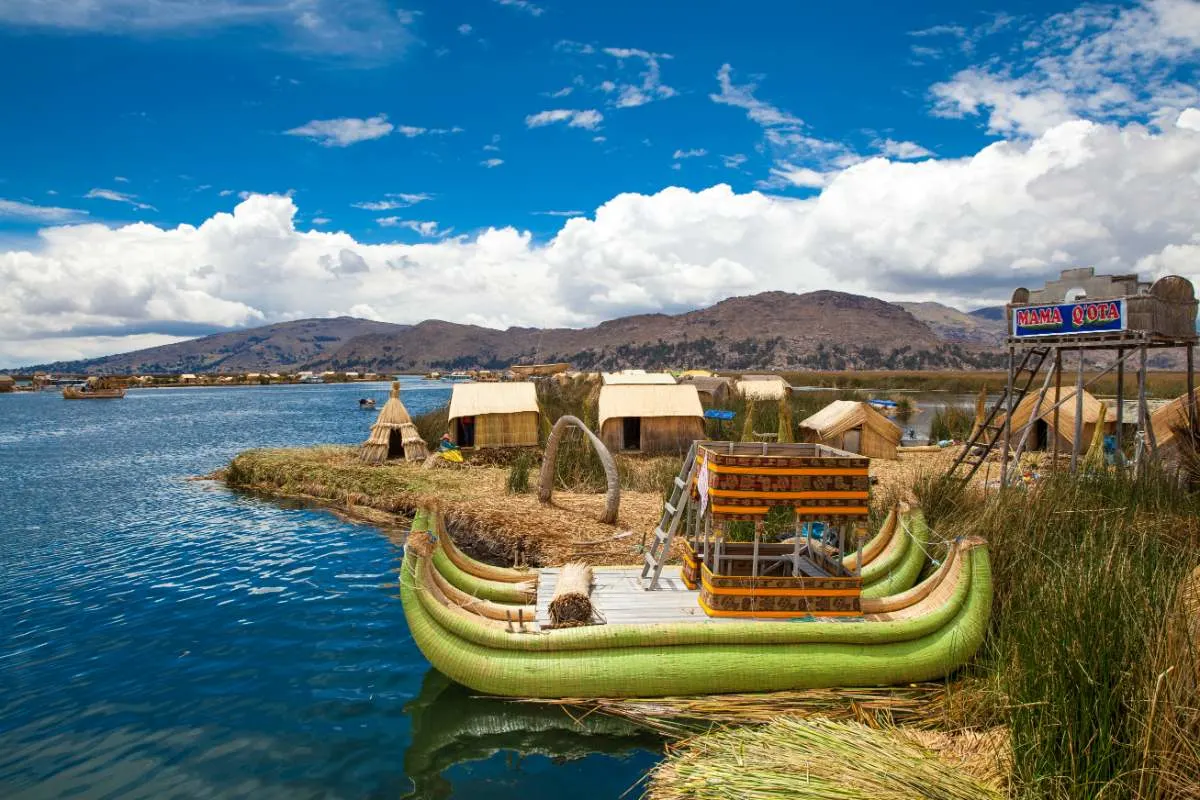
The high-altitude lake on the Bolivian border. Floating Uros islands, Taquile homestays. Reachable from Cusco by overnight bus (10 hours) or the spectacular Andean Explorer train.
Coast south of Lima (Paracas, Ica, Nazca)
Dune buggies at Huacachina, Ballestas Islands at Paracas, and Nazca Lines flyovers. Easy via long-distance bus from Lima.
Amazon (Iquitos, Puerto Maldonado)
Iquitos by flight only (no road in). Puerto Maldonado by a short flight from Cusco. Both for jungle lodges and river trips.
Practical logistics and what goes wrong
When to book
Machu Picchu train tickets: 2 to 3 months ahead in high season (June to August). Machu Picchu entry tickets: also 2 to 3 months ahead. Domestic flights: 2 to 4 weeks ahead. Long-distance buses: 1 to 3 days ahead.
What goes wrong
Altitude. Flying Lima to Cusco drops you at 3,400m with no acclimatization. Plan a slow first day. Coca tea, ibuprofen, no alcohol. If you’re really sensitive, consider routing via Arequipa (2,300m) to acclimatize.
Machu Picchu logistics. Train tickets are a separate booking from entry tickets, which is a separate booking from the bus to the ruins. Plan all three together, in that order.
Strikes & blockades. Peru has occasional regional strikes that close roads or rail. Check the news 24 hours before any major travel day.
Lima airport (LIM). Notorious for taxi scams. Use the official Taxi Verde booth inside the terminal or pre-book Uber.
Tipping
Bus and shuttle drivers: not customary. Restaurant service: 10% if not included.
How we travel in Peru
Two weeks: Lima (2 nights), fly to Cusco (3 nights with acclimatization), Sacred Valley and Ollantaytambo (2 nights), Machu Picchu (1 night in Aguas Calientes), back to Cusco (1 night), overnight bus to Arequipa (2 nights), bus to Puno for Lake Titicaca (2 nights), fly Juliaca back to Lima.
Short trip (one week): Lima, fly to Cusco, Sacred Valley, Machu Picchu, fly back. Skip the south.
What we’d skip: trying to do everything by bus to save money. You’ll lose entire days to journeys. Renting a car. Flying into Cusco on day one with no buffer.
Plan the rest of your trip
FAQ
How do I get from Lima to Cusco?
Fly. The flight is 80 minutes. The bus is 22 hours through the high Andean passes. Even budget travelers usually fly this route. LATAM, Sky, JetSMART, and Viva run multiple daily flights for as low as $50 if booked ahead.
Do I need to book Machu Picchu in advance?
Yes. Train tickets and entry tickets both sell out in high season (June to August), often 2 to 3 months ahead. Off-season, you have more flexibility, but we still recommend booking at least 3 weeks ahead.
Which train should I take to Machu Picchu?
The cheapest is PeruRail Expedition or IncaRail’s basic class; both are fine. The Vistadome / 360 services have panoramic windows and snacks; worth the upgrade for the scenery. The Hiram Bingham is a luxury train for a specific audience.
Are long-distance buses safe in Peru?
The premium operators (Cruz del Sur, Civa Excluciva, Oltursa) are very safe and comfortable. Avoid the very cheap operators on lesser-known routes. Always book the upper deck for views and the “cama” class for sleep.
How bad is altitude sickness in Cusco?
Bad enough to plan for. Most travelers feel mild symptoms (headache, breathlessness, fatigue) on day one. Severe cases are rare but possible. Coca tea, hydration, slow movement, and avoiding alcohol on the first day help. If you have heart or lung conditions, consult your doctor before traveling.
Can I cross from Peru to Bolivia overland?
Yes, via Puno to La Paz. The standard route crosses at Yunguyo/Kasani or Desaguadero. Direct buses run daily. The lake-route option via Copacabana is more scenic and includes a brief ferry crossing.
- About the Author
- More info
AnaMaria is a dedicated SEO specialist and content strategist with profound expertise in Transport in Costa Rica, Transportation in Mexico, Transport in Guatemala, Transport in Peru, and Transport in Thailand.