Siritarar Residence, Koh Samui — Can a Luxury Villa Actually Be Sustainable?

Siritarar Residence by Elite Havens makes a quiet but convincing case that private luxury and environmental responsibility don’t have to be in conflict.
There’s a phrase I’ve grown tired of reading in hotel press releases: “luxury and sustainability in perfect harmony.” It is used so freely and so rarely backed up by anything specific that it has become editorial noise. So when a new villa on Koh Samui’s west coast landed on my radar with exactly that claim, my first instinct was skepticism.
Siritarar Residence, the newest addition to Elite Havens’ portfolio, had to work harder than the headline to convince me. After going through the details, it largely does.
The Property


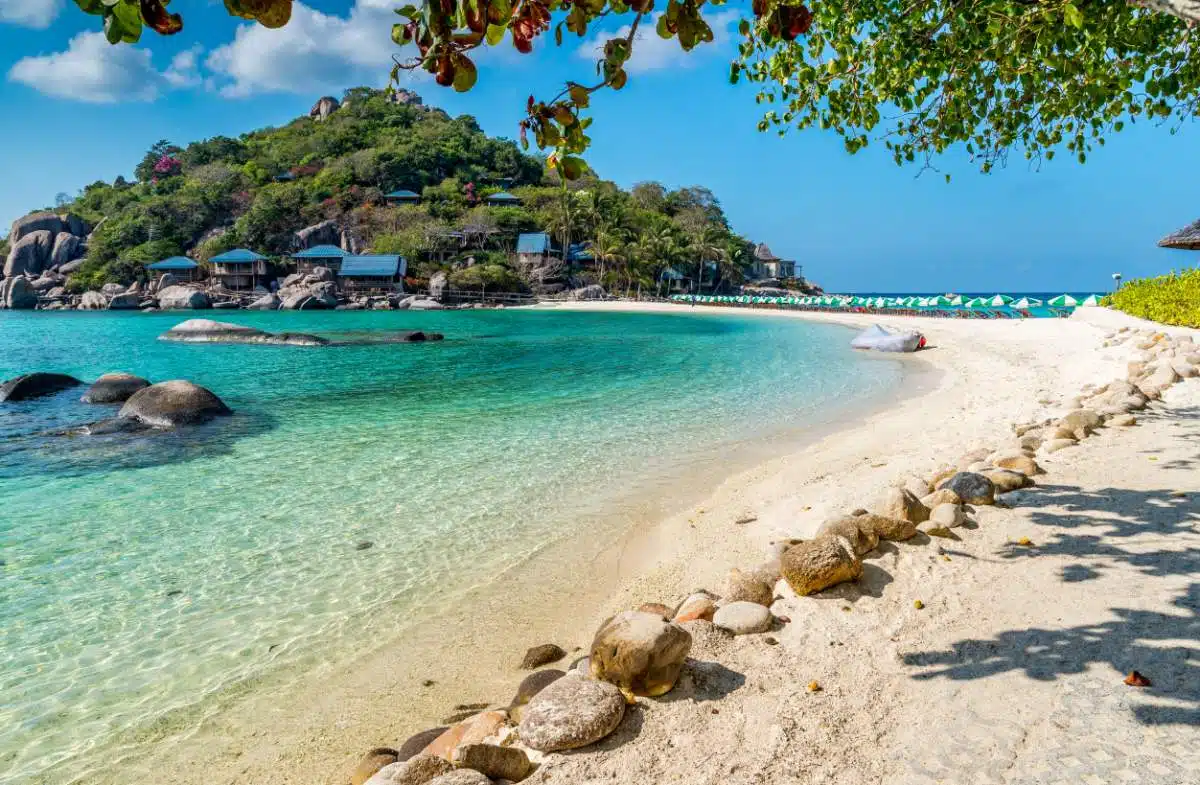
Siritarar Residence sits on Koh Samui’s quieter west coast, away from the crowds that pack the northern and eastern beaches.
The villa is managed by Elite Havens, a company that has spent over 25 years building one of Asia’s most respected luxury villa rental portfolios, with nearly 300 properties across the region.
They know what discerning travelers expect. What’s more interesting here is what they’ve chosen to do quietly, beneath the surface, without making the guest experience feel like a lecture.
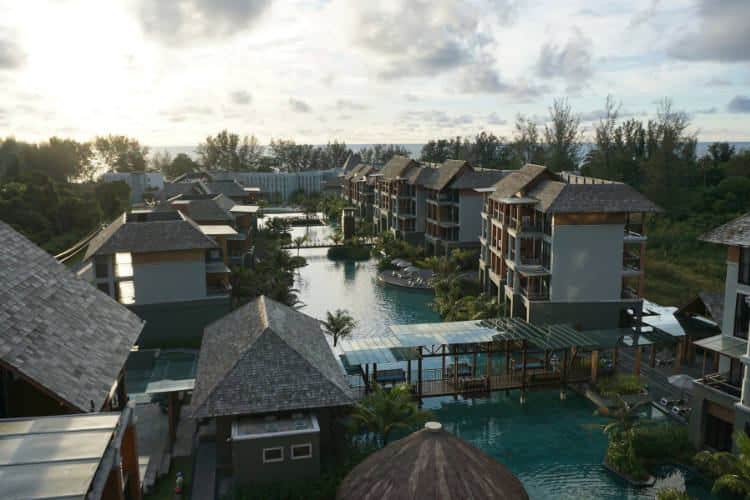
The architecture is unmistakably Southern Thai. Steep dark-tiled roofs, exposed hardwood beams, warm timber joinery on every window and door frame, and a structure that sits low and open to the landscape.
The pool runs the full length of the main building, and beach access is immediate. It is the kind of space that photographs well but, more importantly, feels genuinely considered when you’re standing inside it.
What struck me looking at the interiors is that the design team avoided the trap that catches so many “eco-conscious” properties: the look of deprivation. The living room anchors around a full-length sectional in slate grey, framed by antique lacquered cabinets and carved stonework.
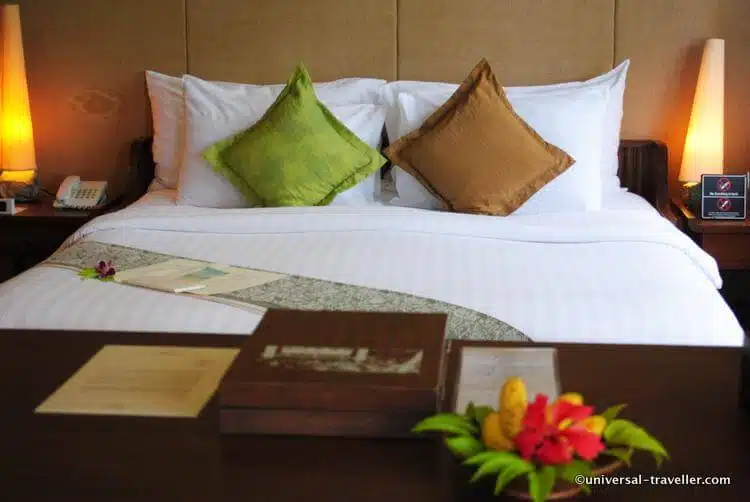
The dining room has a long, solid teak table under paper pendant lights, with a carved bull motif on the wall that quietly roots the space in Thai craft tradition. The master bedroom is calm and uncluttered, with slatted teak walls, brass lamps, and doors that open directly to the garden.
Nothing here screams sustainability. That’s the point.
The Substance Behind the Story


This is where it gets interesting. The media release from Elite Havens is unusually specific for this kind of property announcement, and specificity is how I separate real commitment from marketing copy.
The building envelope
Siritarar uses EKOBLOK as its core wall material. This is a construction block made from more than 40% recycled industrial and agricultural waste. Beyond the raw material story, the material has low thermal conductivity, which means it naturally reduces heat absorption through the walls.
In a tropical climate, that’s a structural cooling strategy rather than a retrofit. Less heat entering the building means less air conditioning is needed to compensate. That’s a genuinely useful design decision.
The roof line
Deep eaves extend around the property perimeter, shielding the walls from direct sunlight during the hottest hours. This is traditional Thai architecture doing exactly what it was designed to do: passively managing solar gain. When modern sustainable design rediscovers what vernacular tropical architecture always knew, that’s a good sign.
Water
Aerial shower systems mix air into the water stream, reducing consumption by up to 35% compared to conventional showerheads.
The pool uses a freshwater system that minimizes chemical inputs, which matters both for guest health and for the impact on the surrounding soil and water table.
Wastewater from the villa is treated and reused for garden irrigation rather than being discharged. On a beachfront property in a sensitive coastal ecosystem, that kind of closed-loop thinking is worth noting.
Energy
Heat generated by the air conditioning system, which would normally be exhausted and wasted, is captured and redirected to supply the villa’s hot water.
This is a heat recovery loop, and it is one of those measures that costs something to implement but delivers ongoing reductions. Paired with the EKOBLOK walls and the passive shading from the eaves, the overall energy load of the property is meaningfully lower than a comparably sized conventional villa.
The paints
Interior paints meet LEED, WELL, and TREES certification standards, which means no volatile organic compounds. This matters for indoor air quality, particularly in a sealed, air-conditioned environment, and it speaks to a level of specification detail that goes beyond ticking sustainability boxes for the press release.
The land
Tree planting initiatives offset carbon generated by guest stays and villa operations. I’ll be direct here: tree planting as a carbon offset is a complicated topic, and I don’t take blanket claims at face value.
What I look for is whether a property can describe its program with specificity, and this is worth asking about directly when booking if it matters to you. What I can say is that the wastewater reuse for garden irrigation and the attention to the surrounding landscape suggest this is a property that takes its site stewardship seriously.
A Note on Accessibility


Something I didn’t expect to see in a luxury villa press kit: accessible design. The images include a wheelchair stationed at a purpose-built entry point, and one of the guest bedrooms is clearly designed with level access and wider circulation in mind.
This isn’t common at this category of property, and it’s worth saying plainly. Conscious luxury should mean accessible to more people, not fewer. Elite Havens’ decision to include this in Siritarar’s design is the right call.
If accessibility is a requirement for your group, verify the specific details with Elite Havens directly before booking. But the intent is clearly there, built into the architecture.
The Sensory Layer
One detail I find unexpectedly charming: the villa’s signature room scent. Âme du Bois blends osmanthus, cedar, teak, and Siam benzoin. It’s a small thing, but it speaks to a design philosophy that extends past the structural and into the experiential.
The choice of Siam benzoin, a resin native to mainland Southeast Asia, is a deliberate connection to place rather than a generic tropical fragrance. I notice these things. They’re the difference between a property that knows where it is and one that could be anywhere.
Who Is Siritarar Residence Koh Samui For


Siritarar Residence works best for a small group or extended family who want the privacy and logistics of a full villa without sacrificing design quality. Four bedrooms, a full chef’s kitchen, direct beach access, kayaks on the sand, and a pool that actually invites use rather than just sitting there for photographs.
There’s also a quiet study room tucked away with an antique writing desk and a vintage typewriter, which is either charming or impractical depending on your outlook. I find it charming.
It is not the right choice if you want resort amenities: multiple restaurant options, an on-site spa, and a concierge in the lobby. That’s not what this is. This is a private home that has been thought through carefully, managed by a company with genuine operational experience in the region.
The question I always come back to: would I book this at the price paid? Based on the evidence here, yes. The combination of genuine design quality, a beachfront west-coast location that most visitors to Koh Samui overlook, and sustainability credentials that hold up to scrutiny makes a strong case.
- About the Author
- More info
Tim Kroeger is a luxury wellness travel specialist, endurance athlete, and the creator of The Restorative Index. He is the official brand ambassador for Healthi Life in Bangkok and the inventor of Luxury Bikepacking. He reviews luxury wellness hotels at tim-kroeger.com and publishes adventure travel content at Universal Traveller. Follow him on Instagram.